How Ofqual Regulated Beauty Courses promote transparency and accountability in the aesthetic field
Wiki Article
Why Regulated Aesthetic Courses Are Essential for Building a Safe, Professional Technique
Regulated aesthetic courses play a significant function in cultivating specialist and secure techniques within the aesthetic sector (Regulated Aesthetic Courses London). These programs furnish specialists with crucial expertise concerning makeup, safety and security methods, and the most up to date techniques. They also aid assure conformity with legal criteria, which is vital in keeping both client safety and specialist credibility. The effects of such training prolong beyond simple compliance. Understanding the broader impact on client trust and sector liability raises essential inquiries regarding the future of aesthetic practicesThe Importance of Safety in Aesthetic Therapies
The value of safety in aesthetic treatments can not be overstated. As the need for cosmetic procedures expands, guaranteeing person security comes to be vital. Aesthetic professionals have to abide by strict safety and security protocols to lessen difficulties and threats. This consists of recognizing the anatomy, acknowledging possible negative reactions, and utilizing appropriate strategies. Individuals deserve to obtain treatments in a controlled atmosphere where health and equipment requirements are preserved. In addition, the use of controlled courses warranties that specialists are trained and educated regarding the current security guidelines. By prioritizing safety and security, experts not only secure their clients yet likewise foster trust and trustworthiness in their techniques. Eventually, a commitment to security adds to the general success and sustainability of the aesthetic sector.Understanding the current Technologies and strategies
Technology in aesthetic treatments is a driving force behind the advancement of the market. Advancements in strategies such as micro-needling, laser treatments, and non-invasive body contouring have transformed the way specialists approach client treatment. These innovations not just boost outcomes but also focus on client comfort and safety and security. The combination of synthetic intelligence in therapy preparation enables for personalized techniques, maximizing outcomes based on specific client demands. Additionally, new items and materials are continually created, offering enhanced efficacy with less adverse effects. Staying upgraded on these developments is necessary for practitioners, guaranteeing they can give the most effective treatment while adhering to industry requirements. This dedication to discovering inevitably fosters a more efficient and accountable aesthetic method.Building Client Depend On Via Regulated Education And Learning
Regulated education plays a pivotal role in cultivating trust fund between specialists and customers in the aesthetic industry. When experts undergo structured training and certification, they demonstrate a commitment to professionalism and proficiency. This formal education and learning assurances that aesthetic procedures are carried out securely and properly, offering customers with confidence in the skills of their picked practitioner. Customers are much more most likely to trust professionals that have met industry requirements and laws, as this indicates a complete understanding of strategies, safety and security protocols, and moral practices. Regulated education motivates recurring knowing, permitting practitioners to remain updated with the most recent developments. Consequently, clients can really feel safe knowing their aesthetic treatments are handled by knowledgeable, competent individuals dedicated to supplying high-quality care.The Duty of Responsibility in Aesthetic Practices
While accountability is frequently forgotten, it serves as a keystone of ethical method in the aesthetic industry. Experts must comply with well established requirements and methods to ensure client safety and contentment. Responsibility fosters a culture of transparency, where specialists take obligation for their choices and activities. This consists of preserving accurate records, obtaining notified authorization, and actively participating in continuous education. By holding themselves answerable, aesthetic professionals show their dedication to quality treatment and moral requirements. Furthermore, responsibility mechanisms, such as regulative bodies and peer reviews, create a framework that dissuades negligence and promotes finest methods. Ultimately, a strong liability system is vital for sustaining trust and integrity within the aesthetic area, profiting both professionals and their clients.Enhancing Professionalism in the Aesthetic Industry
Professionalism and trust in the aesthetic sector is progressively identified as a vital element in improving customer trust fund and fulfillment. Professionals that follow high requirements of professionalism and trust produce an atmosphere that fosters positive customer experiences. This consists of preserving a tidy, safe technique area, interacting effectively, and showing honest habits. Training programs that highlight expertise equip professionals with the required skills to browse client partnerships and address issues without delay - Regulated Aesthetic Courses. Additionally, professionalism and reliability entails staying upgraded with market innovations and finest techniques, ensuring that customers receive informed and ideal treatment. By focusing on professionalism, aesthetic experts can distinguish themselves in an affordable market, eventually bring about increased customer commitment and positive recommendations. Consequently, the entire industry benefits from a reputation improved trust and high qualityLegal Requirements and Conformity in Aesthetic Training
Legal requirements and compliance are essential components of aesthetic training, ensuring that professionals fulfill well established regulative standards. These standards not only protect public health and safety yet also highlight the relevance of qualification in the industry. Comprehending these demands is crucial for both training institutions and aspiring aesthetic experts.Regulative Specifications Introduction
Regulatory standards play a vital function in making certain the quality and security of aesthetic training programs. this Regulated Aesthetic Courses. These standards encompass a variety of legal needs that training establishments must abide by, including curriculum content, teacher qualifications, and center safety and security steps. Conformity with these policies not just aids maintain high academic requirements yet additionally safeguards the wellness and wellness of clients getting aesthetic therapies. Different governing bodies supervise these guidelines, making certain that programs are consistently upgraded to show advancements in the area. Institutions providing aesthetic training should demonstrate adherence to national and regional guidelines to accomplish certification. This commitment to regulatory conformity promotes count on in between clients and professionals, ultimately adding to a much safer aesthetic practice settingSignificance of Certification
While going after a career in appearances, acquiring accreditation is essential for experts to ensure compliance with legal needs and industry standards. Certification acts as a formal acknowledgment of an expert's credentials, ensuring they have the needed abilities and knowledge to carry out aesthetic treatments safely and properly. In addition, it improves public trust, as customers frequently seek guarantee that their service providers are thoroughly educated and abide by governing guidelines. Compliance with accreditation demands also reduces the danger of lawful consequences originating from negligence or insufficient training. In enhancement, licensed specialists are often much better placed in the competitive work market, as companies prioritize prospects that show commitment to specialist advancement and adherence to industry criteria. Inevitably, accreditation is a cornerstone of a credible aesthetic practice.The Long-Term Advantages of Purchasing Regulated Courses
Buying controlled aesthetic courses can produce substantial long-term benefits for professionals in the elegance industry. To start with, these courses enhance skillsets, ensuring practitioners remain updated with the newest methods and safety methods - Regulated Aesthetic Courses London. This expertise fosters confidence, allowing specialists to offer high-quality services that fulfill client expectationsCompleting controlled courses frequently leads to increased reliability and trust among clients, which can translate right into a loyal customer base and boosted references. In addition, experts might find that their bankability enhances, permitting them to command higher fees for their experience.
Recurring education and learning can open doors to occupation improvement possibilities, such as specialized duties or managerial placements within the industry, contributing to greater task contentment and economic security in the lengthy run.
Frequently Asked Concerns
What Kinds Of Aesthetic Treatments Require Regulated Training?
Aesthetic therapies needing managed training consist of injectables like Botox and facial fillers, chemical peels, laser hair elimination, microneedling, and progressed skin care treatments. Proper training assurances safety and security, effectiveness, and adherence to industry criteria in aesthetic practices.How Can I Find Accredited Aesthetic Courses?
People seeking recognized aesthetic courses can investigate trustworthy establishments online, seek advice from professional organizations, and read reviews. Networking with industry experts likewise assists recognize acknowledged programs that satisfy accreditation requirements and ensure detailed training.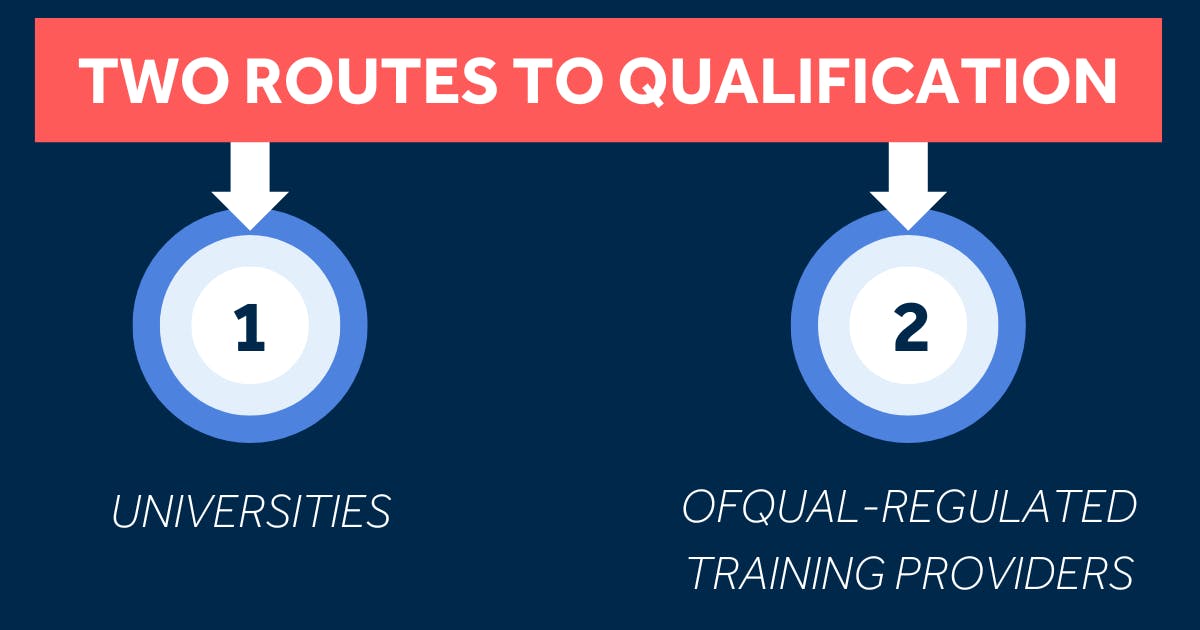
Are Online Aesthetic Courses Took Into Consideration Valid and Regulated?
If certified by identified organizations, online aesthetic courses can be valid. Nonetheless, policy varies by territory, making it crucial for people to confirm accreditation and assurance that courses meet industry criteria for safety and security and professionalism.
What Is the Cost of Regulated Aesthetic Training Programs?

The cost of controlled aesthetic training programs generally ranges from $1,000 to $5,000, relying on the establishment, program length, and included materials (Regulated Aesthetic Courses). Factors like place and expertise may additionally influence rates variations
Just how Often Do I Required to Renew My Aesthetic Qualification?
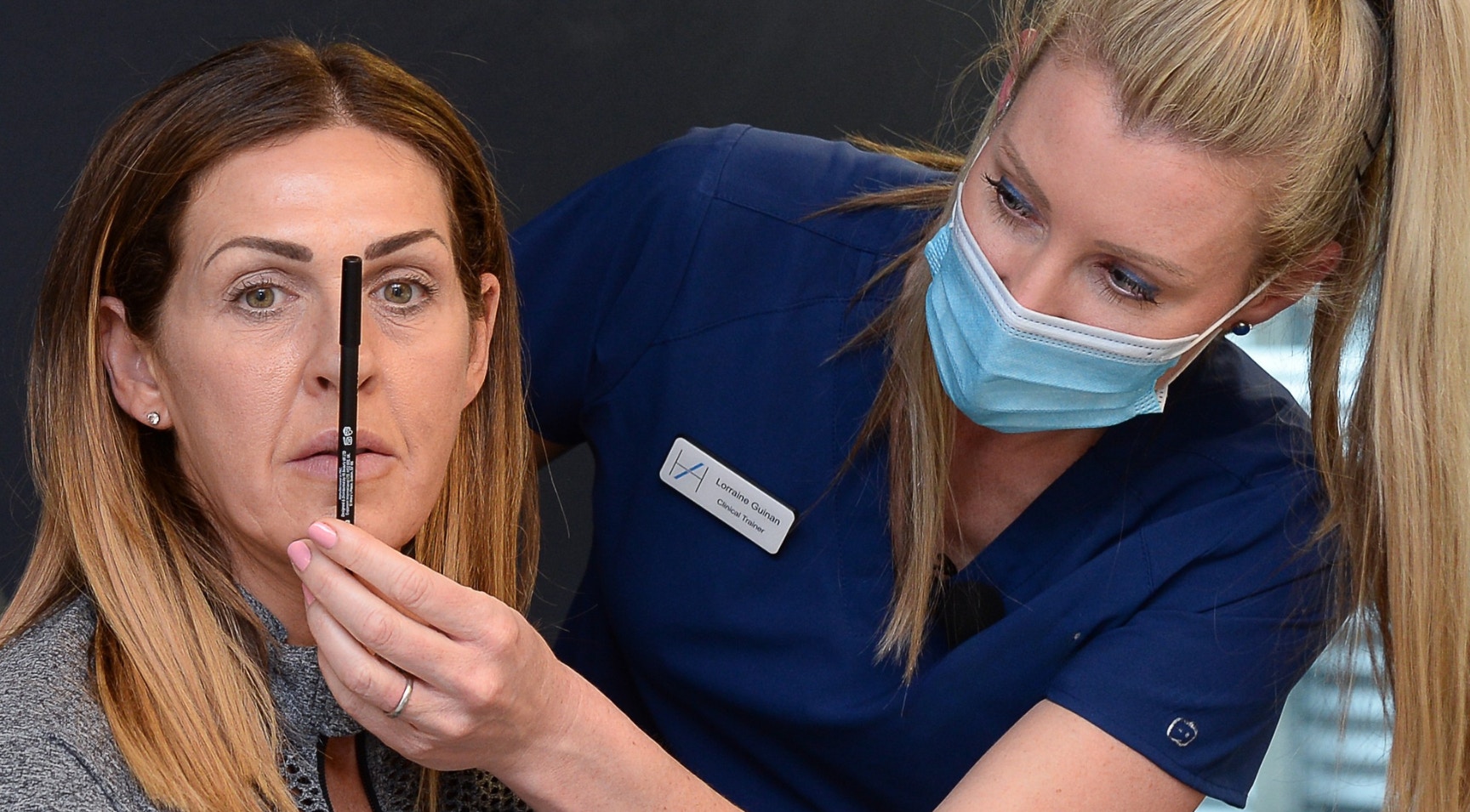
Regulated aesthetic courses play a considerable role in promoting risk-free and specialist techniques within the aesthetic industry. Aesthetic specialists need to adhere to stringent safety and security procedures to reduce problems and risks. Regulated education plays a critical function in fostering count on between practitioners and customers in the aesthetic industry. By prioritizing professionalism and trust, aesthetic experts can distinguish themselves in a competitive market, eventually leading to boosted customer loyalty and positive recommendations. Legal needs and compliance are crucial elements of aesthetic training, guaranteeing that specialists fulfill established regulatory standards.
Report this wiki page